Royal Agricultural Society NSW
Camps
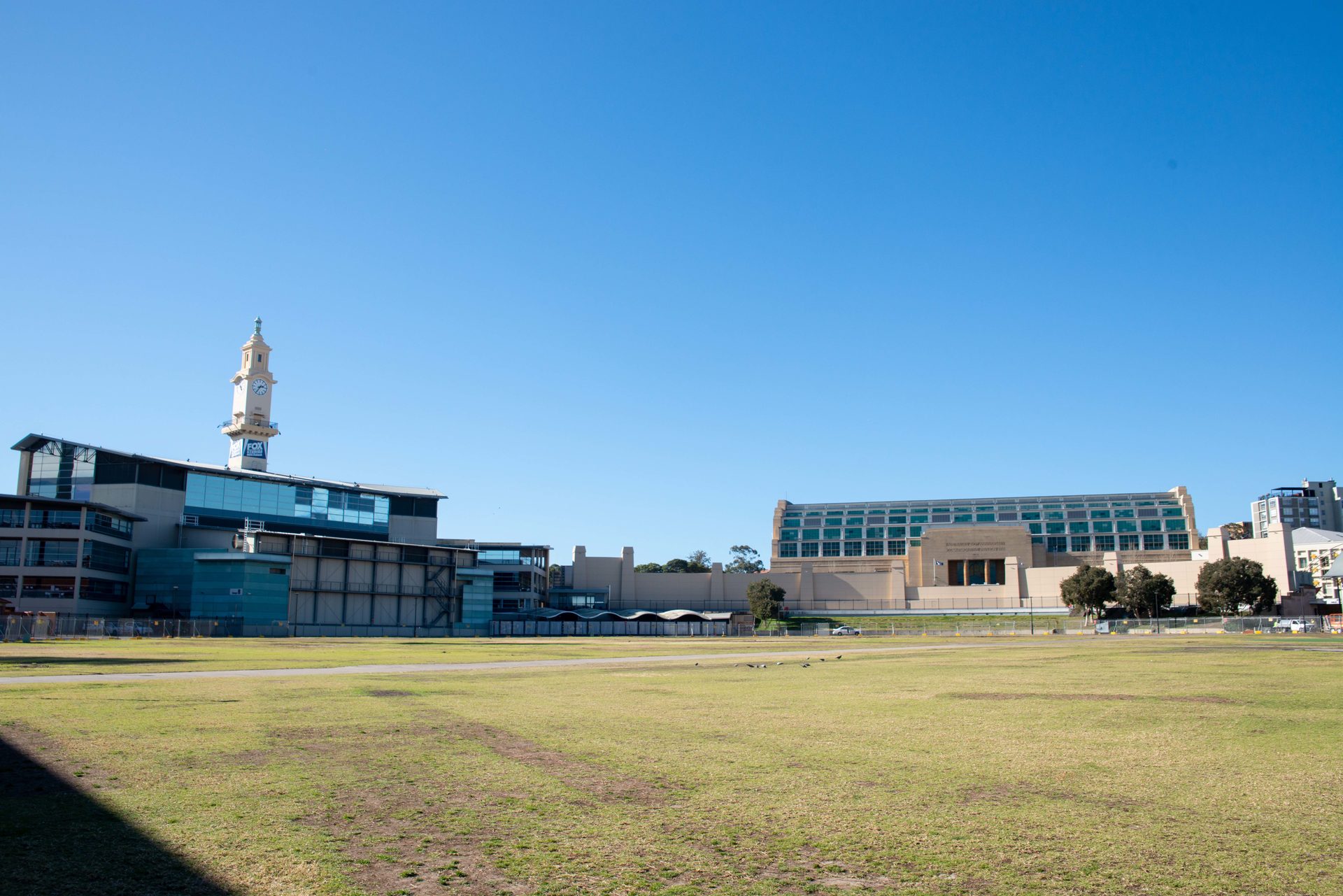
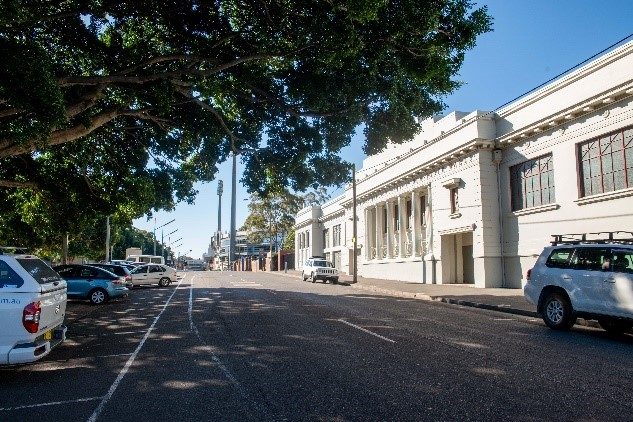
‘Hundreds of thousands of soldiers were to pass through the Showground during the four years of the war. Cavalry, artillery and transport units occupied different areas at different times and large numbers of army horses were stabled and broken in there. Men came from around the country for special courses or officer training. The vast majority of servicemen, however, were in transit, departing to or returning from battlefields. First to leave was a force of 1,500 men who sailed from Sydney on 18 August 1914, for Rabaul in German New Guinea. Their mission, to destroy German wireless stations. It was Australia’s first overseas operation of the war.’
‘By 1915, large bodies of troops were regularly coming through the Showground from Queensland and the main NSW training camp at Liverpool. The Liverpool men often arrived the evening before embarkation and the Showground would be opened up to relatives so they could picnic together in the grounds. Troops slept in the pavilions on clay floors with a waterproof sheet and a couple of blankets – luxurious conditions compared to those they were soon to encounter. From the Showground and another nearby barracks, the soldiers marched down Randwick Road to ships at Circular Quay. In March 1917, to honour that route and the permanent departure of so many, the name of the road was changed to Anzac Parade.’
‘RAS President Samuel Hordern believed the Royal Agricultural Society (RAS) rendered greater service to the Defence Department than any other public institution in Australia.’
The full article first appeared as Responding to the drums of war 1914-1918 in The RAS Times, November 2014.